4 min read
By Dr. Maria K. Jimmy
If you wear glasses, you may have wondered whether there is a natural way to reduce your eye power.
A quick search online will give you plenty of suggestions: eye exercises, special foods, vitamins, screen-time hacks and various ‘natural’ remedies.
But there is an important distinction that often gets lost: A habit can be good for your eyes without actually reducing your spectacle prescription.
So, can an adult naturally reduce their eye power?
Let’s look at what the science actually says.
Medical disclaimer: The healthy habits mentioned below are general eye-care and lifestyle recommendations. They should not be interpreted as evidence-based methods for reducing an established spectacle prescription in adults. Note that evidence for some habits relates to eye comfort, general eye health, or prevention of myopia—particularly in children.
First, what exactly is “eye power”?
“Eye power” usually refers to a refractive error; a problem with how the eye focuses light.
This includes myopia (short-sightedness), hyperopia (long-sightedness), astigmatism and presbyopia. They occur when the shape or length of the eye, or changes in the cornea or lens, prevent light from focusing correctly on the retina.
For example, in myopia, the eye focuses light in front of the retina rather than directly on it.
Glasses and contact lenses correct this focusing problem.
Contrary to a common misconception, the U.S. National Eye Institute (NEI) notes that wearing glasses does not make your eyes weaker or worsen your vision.
Can eye exercises reduce your spectacle power?
This is one of the most common claims online.
There is no good evidence that eye exercises can permanently reverse an established refractive error such as adult myopia.
Exercises may be promoted for relaxing the eyes or reducing visual fatigue, but that is different from changing the underlying optical structure responsible for your prescription.
So if someone tells you that staring at distant objects, moving your eyes in circles or doing a particular exercise will eliminate your glasses, be cautious.
Healthy habits that are still worth adopting
These habits should not be sold as ways to ‘cure’ eye power. They are simply sensible ways to look after your eyes.
1. Take regular breaks from prolonged near work
Long periods of reading or using digital devices can leave your eyes feeling tired and uncomfortable.
A practical habit is to regularly look away from your screen and focus on something farther away. WHO recommends taking regular breaks during prolonged near-work activities.
This may make your eyes feel more comfortable, as well as give your brain a short break.
2. Spend some time outdoors
Outdoor time has strong evidence for reducing the risk of developing myopia in children, and WHO includes outdoor time among strategies that may delay myopia onset and slow its progression in children.
For adults, however, we should be more careful about the claim.
Still, getting outdoors is a healthy habit, and protecting your eyes from excessive ultraviolet exposure is important. Sunglasses that provide appropriate UV protection and a sun hat can help reduce UV exposure.
3. Eat a balanced diet
Nutrition is relevant to eye health.
However, there is no particular fruit, vegetable, juice or supplement proven to reduce an adult’s spectacle prescription.
A balanced diet containing a variety of vegetables, fruits, whole grains, legumes, nuts and other nutrient-rich foods supports overall health.
Be especially sceptical of supplements marketed as natural alternatives to glasses.
4. Don’t smoke
This one has much stronger evidence behind it.
Smoking is associated with important eye diseases, including cataract and age-related macular degeneration.
WHO identifies smoking as a modifiable risk factor for eye disease.
So quitting smoking is an important step for protecting your long-term eye health.
5. Protect your eyes from injury and UV exposure
If you work with chemicals, machinery, dust or materials that can produce flying particles, use appropriate protective eyewear.
And when you are outdoors in strong sunlight, use suitable UV-protective sunglasses. These measures are important to prevent eye damage.
6. Keep your overall health under control
Your eyes are not separate from the rest of your body.
Conditions such as diabetes and hypertension can contribute to eye disease. Diabetes, in particular, can damage the blood vessels of the retina and cause diabetic retinopathy. WHO recommends prevention and management of systemic diseases as part of protecting eye health.
So controlling blood sugar and blood pressure, staying physically active and maintaining a healthy lifestyle are important for preserving vision, even though they do not directly reduce your spectacle prescription.
What if your eye power seems to be changing?
Don’t assume that every change in vision means you simply need stronger glasses.
Blurred vision can have several causes. Refractive errors themselves can change, while other eye conditions can also affect vision.
If your vision has become noticeably blurrier, you are experiencing new eye symptoms, or your current glasses no longer seem adequate, get a proper eye examination. The U.S. National Eye Institute recommends regular eye examinations and advises seeing an eye doctor if you have problems with your vision or your glasses or contact lenses.
So, can you naturally reduce eye power?
For most adults with an established refractive error, there is currently no scientifically established diet, eye exercise or lifestyle routine that can reliably make the spectacle prescription disappear.
But that does not mean there is nothing you can do.
- Take breaks during prolonged near work
- Spend time outdoors
- Protect your eyes from UV exposure and injury
- Don’t smoke
- Eat a balanced diet
- Manage conditions such as diabetes and hypertension
- Have your eyes checked when your vision changes
These habits are about something more realistic—and arguably more important: giving your eyes the best chance of staying healthy for years to come.
Resources
- World Health Organization (WHO) – Refractive Errors: Questions and Answers
- U.S. National Eye Institute (NEI) – Eyeglasses for Refractive Error. Refractive Errors
- World Health Organization (WHO) – Adult Eye Care
- World Health Organization (WHO) – Blindness and Vision Loss
- American Academy of Ophthalmology (AAO) EyeWiki – Myopia
- World Health Organization (WHO) – WHO/ITU Global Standard for Safe Viewing Devices and Systems
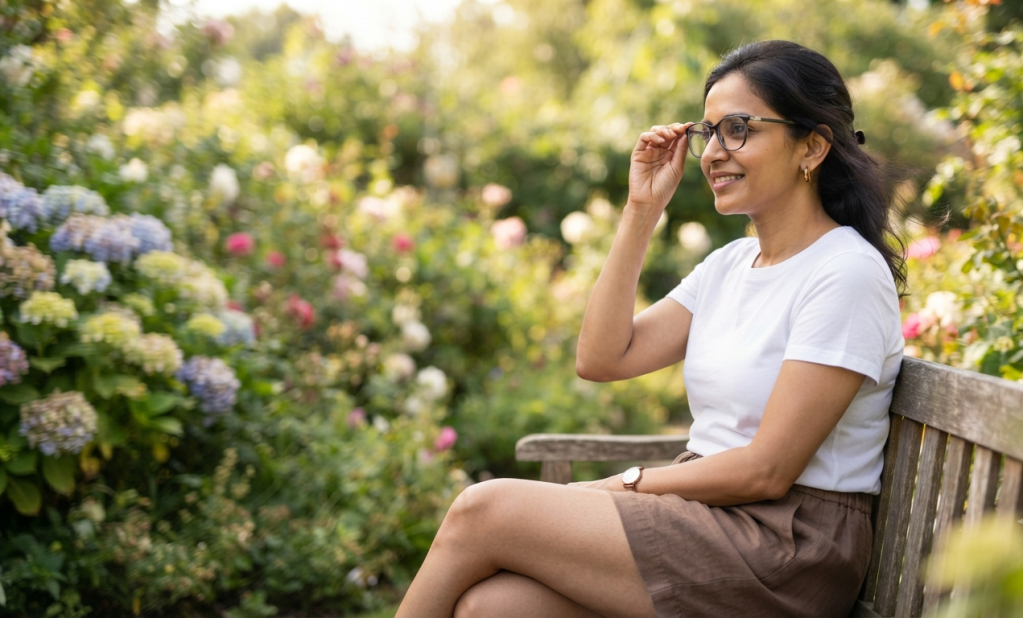
Image Note: The accompanying image is an AI-generated illustration. The person and setting depicted are fictional and do not represent any real individual or location.
You may wish to read these next:

