
3 min read
By Dr. Maria K. Jimmy
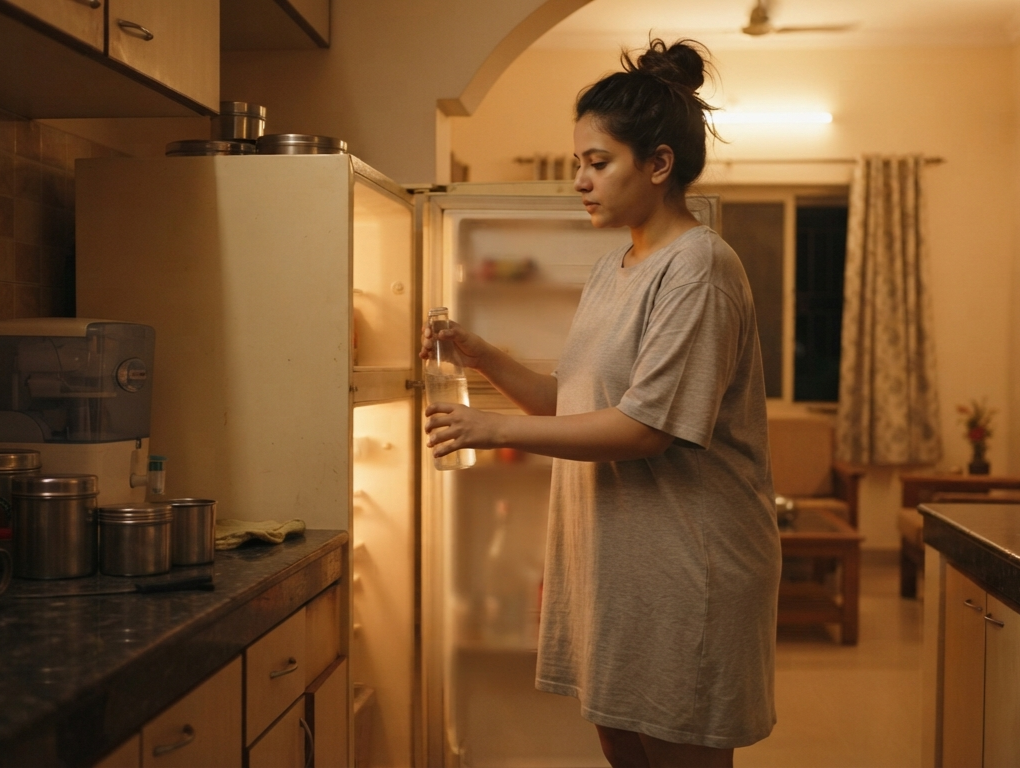
It usually happens sometime between lunch and dinner. Your stomach growls, your energy dips and suddenly the biscuit packet sitting in the kitchen looks far more appealing than it did an hour ago.
You had planned to avoid snacking. Perhaps you even promised yourself that you would “be good” today. But hunger has a way of making the nearest packet of chips, chocolate or biscuits remarkably difficult to resist.
Here is the thing: snacking itself is not unhealthy.
A snack is simply food eaten between meals. Research suggests that whether snacking supports or undermines a healthy diet depends on factors such as what you eat, why you eat, how much you eat and how snacks fit into your overall eating pattern.
Is Snacking Good or Bad for You?
There is no universal verdict.
A nutritious snack can be useful when several hours separate meals. It can provide additional nutrients, help manage hunger and prevent you from reaching your next meal ravenously hungry.
On the other hand, frequent, unplanned consumption of energy-dense snacks high in added sugar, salt and saturated fat can add substantial calories without providing much nutritional value.
A 2024 systematic review found that discretionary snack consumption may modestly increase energy intake, although its relationship with body weight and BMI was less consistent across studies.
So the question is less “Should I snack?” and more “What does my snack add to my diet?”
Why a Well-Chosen Snack Can Help
- Sustains energy between meals – prevents afternoon slumps
- Boosts nutrient intake – can help you reach daily targets for fibre, protein, vitamins, and minerals
- Supports appetite control – reduces the likelihood of overeating at your next meal
How Often Can You Snack?
The goal is to respond to hunger rather than eat automatically.
Some people are comfortable with three satisfying meals a day. Others become genuinely hungry between meals and benefit from a snack.
Your appetite, daily routine, physical activity and individual nutritional needs all matter.
Current evidence also does not establish a universally optimal frequency of meals or snacks for adults.
The same applies to timing. There is no medically mandatory hour after which eating a snack becomes automatically unhealthy. If you are genuinely hungry in the evening, a sensible snack can still be part of a balanced diet.
What Makes a Healthy Snack?
Think nutrient-dense and satisfying, rather than simply “low-calorie”.
Foods containing protein, fibre and whole grains can help make snacks more satisfying. Harvard suggests options such as nuts, yoghurt, fruit, vegetables, hummus, roasted chickpeas and whole-grain foods.
Some easy combinations include:
- Apple or banana with unsalted peanut butter
- Plain yoghurt with fruit
- Cucumber, carrot or other vegetables with hummus
- Roasted chickpeas
- A handful of unsalted nuts and seeds
- Whole-grain toast with nut butter
- Air-popped popcorn
- Fruit with yoghurt or cottage cheese
- Hard-boiled egg with cherry tomatoes
- Cottage cheese with pineapple
- Whole-grain crackers with tuna or sardines
- Rice cakes with smashed avocado and lemon
- Greek yoghurt with berries and a sprinkle of seeds
The American Heart Association similarly recommends fruits, vegetables, unsalted nuts and seeds, yoghurt, whole grains and other nutrient-dense choices, while encouraging people to check packaged-food labels for serving size, added sugar and sodium.
Quick Guide to Reading Snack Labels
While we see so many packaged snacks claiming to be healthy, here’s what to actually look for:
- Serving size – Is the nutrition info for the whole packet or just a portion?
- Added sugar – Aim for less than 5g per serving where possible.
- Sodium – Look for 140mg or less per serving for a “low sodium” choice.
- Saturated fat – Keep it under 3g per serving where possible.
- Fibre – Aim for at least 3g per serving for more staying power.
Plan Your Snack Before Hunger Takes Over
The easiest time to make a balanced choice is before you are desperately hungry.
If you regularly need something between meals, keep convenient options within reach. A banana in your bag, yoghurt in the refrigerator or roasted chickpeas in the kitchen can make a nutritious choice just as convenient as a packet of biscuits.
It also helps to pause and ask yourself: “Am I actually hungry?”
Hunger is one reason we snack, but boredom, stress, tiredness, habit and simply having food within reach can also trigger eating.
Sometimes even thirst masquerades as hunger. If you feel a snack craving, try drinking a glass of water first and wait five minutes – you may find that thirst, not hunger, was the issue.
If you are hungry, eat. If you decide to have something purely for pleasure, enjoy it.
Healthy Snacking Does Not Mean Perfect Snacking
A chocolate bar occasionally does not turn your diet into an unhealthy one. Nor does choosing fruit make you morally superior.
A healthy approach to snacking leaves room for both nourishment and enjoyment. Most of the time, choose foods that provide useful nutrients and satisfy your hunger. At other times, eat something simply because you enjoy it.
The healthiest snack is not necessarily the one with the fewest calories. It is one that fits your hunger, your nutritional needs and your overall eating pattern, without bringing guilt along with it.
Resources
- Harvard T.H. Chan School of Public Health – The Science of Snacking
- American Heart Association – Healthy Snacking
- USDA Nutrition Evidence Systematic Review (2025) – Frequency of Meals and/or Snacking and Energy Intake
- PubMed / Obesity Reviews (2024) – Discretionary snack consumption and energy intake
- PubMed – Snacking in nutrition and health (Review)
Image Note: The accompanying image is AI-generated. The person and setting, being fictional, do not represent a real individual or location.
You may wish to read these next:

