
2 min read
Across India, and also globally, an invisible mental health crisis continues to grow quietly among men. It is not discussed enough in families, schools, workplaces, or even healthcare settings.
By Dr. Maria K. Jimmy
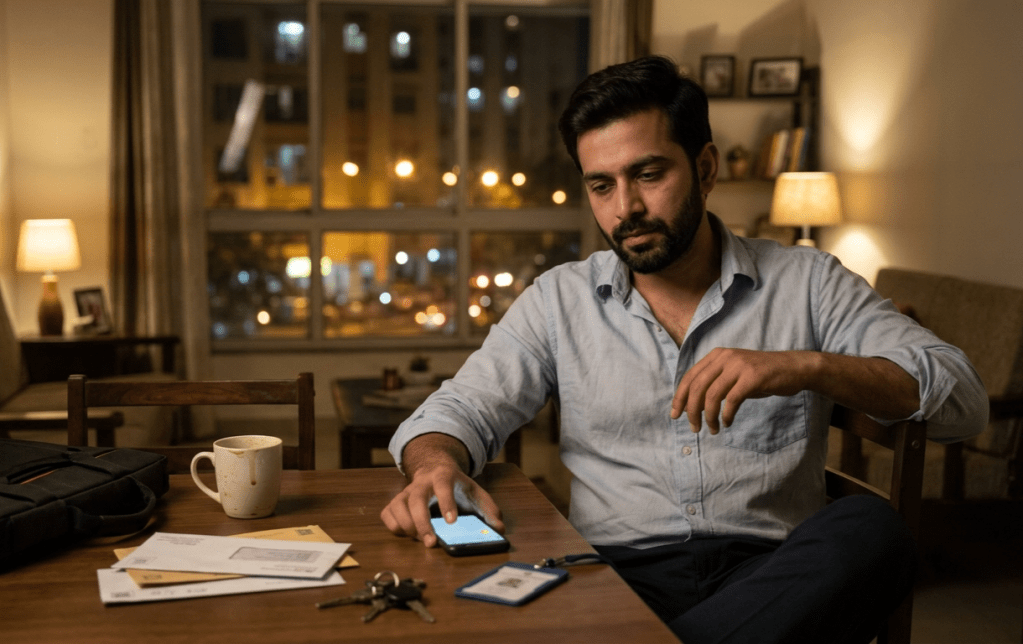
Have you ever heard that a man died by suicide and felt genuinely shocked because he never looked like he was struggling?
Suicide affects people of every gender. But globally, men continue to die by suicide at significantly higher rates than women. They are also less likely to seek mental health support, speak openly about emotional distress, or ask for help early.
Men account for the overwhelming majority of suicide deaths in India.
Behind these statistics are fathers, brothers, husbands, sons, students, colleagues, and friends. Many appeared “fine” until they no longer could hold themselves together.
So why is this happening?
The Emotional Cost of “Being a Man”
A major part of this crisis lies in how society teaches men to handle emotions.
From childhood, many boys grow up hearing phrases like:
- “Man up.”
- “Boys don’t cry.”
- “Be strong.”
- “Don’t be weak.”
Over time, many men learn that vulnerability should be hidden, controlled, or swallowed.
Many men are taught to measure their worth through achievement, income, emotional control, or their ability to provide. Responsibility itself is not the problem. But the pressure to constantly appear strong can become emotionally exhausting.
This becomes especially dangerous during periods of:
- financial stress
- unemployment
- relationship breakdown
- loneliness
- chronic illness
- or academic and workplace pressure
When emotional expression feels unacceptable, distress often turns inward.
Instead of asking for help, many men isolate themselves, suppress their emotions, or continue functioning silently until the pressure becomes unbearable.
Depression in Men Does Not Always Look Like Sadness
Male mental health struggles are often missed because depression in men may not look like visible sadness.
It can appear as:
- irritability
- anger
- emotional withdrawal
- overworking
- reckless behaviour
- alcohol misuse
- smoking or vaping excessively
- emotional numbness
Some men may not even recognise they are struggling because they were never taught how to identify or communicate emotional pain.
A man can go to work, pay bills, crack jokes, and still be losing the fight inside his own head.
The Loneliness Nobody Talks About
Modern life has intensified emotional isolation.
Many men struggle with loneliness, limited emotional support systems, and difficulty forming vulnerable friendships. He may be surrounded by people and still feel entirely alone.
This isolation becomes even more dangerous when combined with stigma around therapy or help-seeking. Men are less likely to access mental healthcare despite significant psychological distress.
This Is Not About Blaming Men or Women
In public conversations, male suicide is sometimes wrongly framed as a battle between genders.
But mental health should never become a competition of suffering.
The deeper issue lies in rigid patriarchal expectations that teach men to avoid emotional openness and tie their worth to strength, success, or stoicism.
These expectations do not protect anyone. They emotionally restrict people across genders in different ways.
Movements like feminism, which challenge rigid gender roles, have long argued that emotional freedom benefits everyone, including men.
So What Needs to Change?
Change begins in small ways:
- teaching boys that vulnerability is human, not weakness
- recognising warning signs early
- making therapy and emotional support feel normal
- checking in on people more honestly
- urging them to adopt tiny rituals that will improve their mood
Sometimes, asking “How are you really doing?” matters more than we realise.
Breaking the Silence
Male suicide is often the tragic result of years spent suppressing pain, carrying emotional burdens alone, and believing vulnerability is something to be ashamed of.
The conversation around men’s mental health needs more compassion, less mockery, and far more honesty.
Sometimes the strongest thing a person can do is admit they are not okay.
Important Note
If you are struggling emotionally or experiencing suicidal thoughts, please seek support from a trusted person, mental health professional, or suicide helpline. You do not have to carry this alone. Help is available.
Resources & Further Reading
- World Health Organization (WHO) – Suicide Fact Sheet
- National Mental Health Survey of India (2016) – Help-seeking behaviour and mental health morbidity among men
- National Crime Records Bureau (NCRB), India – Accidental Deaths & Suicides in India (ADSI) Report
- National Institute of Mental Health (NIMH) – Suicide Statistics and Risk Factors
- Mental Health Commission of Canada – Men’s Mental Health and Suicide Prevention
- The Lancet Public Health – Suicide in India: A Complex Public Health Tragedy
- Harvard Health – Depression in Men Often Looks Different
Note: The discussion around patriarchal expectations and men’s emotional suppression includes the author’s social interpretation and analysis. Statistical and medical information in this article is based on the authoritative sources listed above.
Image Note: The image accompanying this essay is AI-generated.
You may wish to read these next:
 Dr. Maria K. Jimmy