
4 min read
By Dr. Maria K. Jimmy
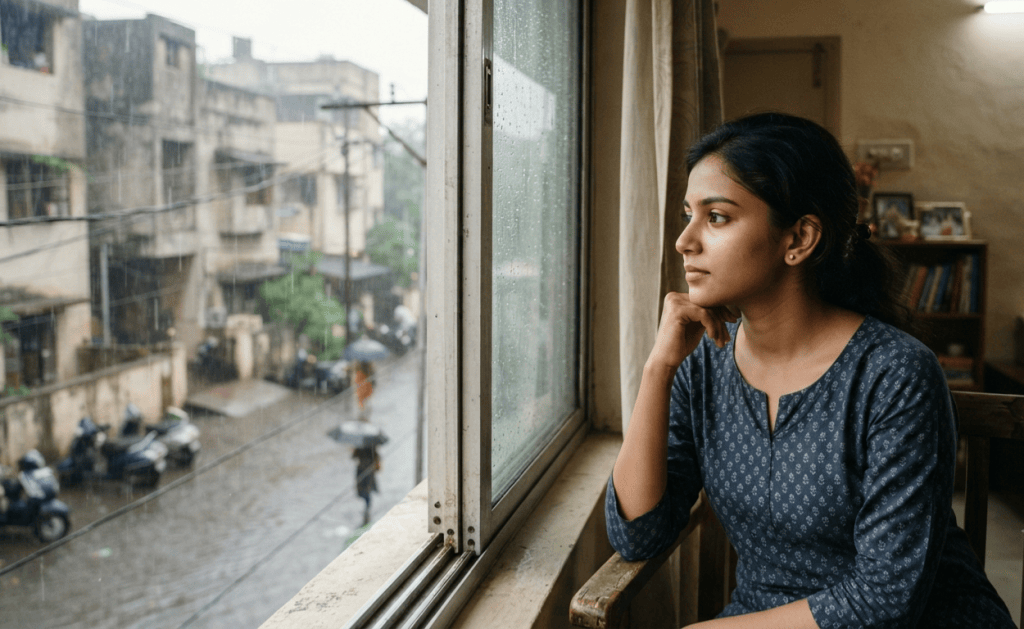
Heavy rains have brought flooding to several parts of India, while other regions are experiencing a more typical monsoon. Wherever you are, the rainy season creates ideal conditions for several infectious diseases to spread.
Stagnant water, contaminated food and drinking water, high humidity, and poor sanitation all contribute to a rise in seasonal illnesses.
Here are some of the most common monsoon illnesses to watch out for and how you can protect yourself and your family:
1. Dengue
Dengue is one of the most common monsoon illnesses in India. It is spread through the bite of infected Aedes mosquitoes, which breed in stagnant water found in buckets, flower pots, tyres, and water tanks.
Symptoms include:
- High fever
- Severe headache
- Pain behind the eyes
- Muscle and joint pain
- Skin rash
Seek immediate medical attention if you develop persistent vomiting, severe abdominal pain, bleeding gums, or unusual drowsiness, as these may indicate severe dengue.
2. Malaria
Malaria is another mosquito-borne disease that becomes more common during the rainy season. Unlike dengue, malaria mosquitoes usually bite between dusk and dawn.
Common symptoms include fever with chills, sweating, headache, body aches, and fatigue.
Early diagnosis and treatment are essential to prevent complications.
3. Chikungunya
Like dengue, chikungunya is transmitted by Aedes mosquitoes. While it rarely causes severe illness, it is well known for causing intense joint pain.
People often experience the following symptoms:
- Sudden fever
- Rash
- Headache
- Muscle pain
- Painful swelling of the joints
Although most people recover completely, joint pain may persist for weeks or even months in some cases.
4. Leptospirosis (Rat Fever)
Leptospirosis is one of the most important diseases to watch out for after flooding, particularly in states like Kerala where cases often increase during the monsoon.
The infection spreads when floodwater contaminated with the urine of infected animals, especially rats, comes into contact with cuts, abrasions, or the eyes, nose, or mouth.
Symptoms include:
- High fever
- Severe muscle pain, especially in the calves
- Headache
- Vomiting
- Red eyes
If left untreated, leptospirosis can damage the kidneys, liver, lungs, and brain.
If you develop fever within a few days or weeks after walking through floodwater, seek medical attention promptly.
In certain high-risk situations, healthcare professionals may recommend preventive antibiotics after significant exposure to floodwater.
5. Acute Gastroenteritis and Cholera
Flooding can contaminate drinking water with sewage, increasing the risk of diarrhoeal illnesses, including gastroenteritis and, in some situations, cholera.
Symptoms include:
- Diarrhoea
- Vomiting
- Abdominal cramps
- Fever
- Dehydration
Children and older adults are particularly vulnerable to dehydration. Oral Rehydration Solution (ORS) should be started early, and medical care should be sought if symptoms are severe or persistent.
6. Typhoid Fever
Typhoid spreads through contaminated food and water and is another common illness during the monsoon.
Symptoms include:
- Persistent high fever
- Weakness
- Abdominal pain
- Loss of appetite
- Constipation or diarrhoea
Safe drinking water, proper hand hygiene, and eating freshly cooked food can greatly reduce the risk.
7. Hepatitis A and Hepatitis E
Floodwater can contaminate drinking water with human waste, increasing the spread of hepatitis A and hepatitis E.
Early symptoms include:
- Fever
- Fatigue
- Nausea
- Loss of appetite
This may later be followed by dark urine and yellowing of the eyes and skin (jaundice).
Pregnant women are at a higher risk of severe complications from hepatitis E and should seek medical care promptly if symptoms develop.
8. Skin and Eye Infections
Spending prolonged periods in wet footwear or contaminated floodwater can lead to fungal infections, cellulitis, and infected cuts.
Conjunctivitis (pink eye) is also more common during the rainy season.
Watch out for:
- Red, swollen, or painful skin
- Pus or increasing redness around wounds
- Itchy or peeling skin between the toes
- Red, watery eyes with discharge
Clean any cuts immediately with clean water and soap, keep them covered, and seek medical attention if signs of infection develop.
How to Protect Yourself During the Monsoon
Most monsoon illnesses can be prevented with a few simple precautions:
- Empty stagnant water from containers around your home every week.
- Use mosquito repellents, mosquito nets, and wear full-sleeved clothing.
- Drink boiled, filtered, or bottled water until authorities confirm the local water supply is safe.
- Eat freshly prepared food and avoid food from unhygienic sources.
- Wash your hands thoroughly before eating and after using the toilet.
- Wash fruits and vegetables well before consumption.
If Your Area Has Been Flooded
Floodwater may contain sewage, chemicals, and disease-causing organisms. If you live in or travel through a flood-affected area:
- Avoid walking through floodwater unless absolutely necessary.
- Wear waterproof boots or protective footwear if you must enter floodwater.
- Cover cuts and wounds with waterproof dressings.
- Wash exposed skin thoroughly with clean water and soap after floodwater contact.
- Discard food that has come into contact with floodwater.
- Drink only safe water until local authorities declare the water supply safe.
- Seek medical attention if you develop fever, severe muscle pain, jaundice, persistent diarrhoea, or vomiting after floodwater exposure.
When to See a Doctor and Final Safety Tips
Avoid self-medicating with antibiotics. Fever during the monsoon can have many different causes, and the right treatment depends on an accurate diagnosis. If your symptoms are severe, persist for more than two days, or worsen, consult a healthcare professional promptly.
Most monsoon diseases are preventable. By following simple precautions, recognising symptoms early, and seeking timely medical care, you can significantly reduce your risk of infection.
Share these monsoon health tips with your family and friends to help keep everyone safe during the rainy season.
Resources
- Ministry of Health & Family Welfare, Government of India
- National Centre for Disease Control (NCDC)
- National Centre for Vector Borne Disease Control (NCVBDC)
- Indian Council of Medical Research (ICMR)
- World Health Organization (WHO)
- Kerala Directorate of Health Services (DHS Kerala)
- UNICEF
- Centers for Disease Control and Prevention (CDC)
Image Note: The accompanying image is an AI-generated illustration.
You may wish to read these next:

