
3 min read
On 14th February, while social media overflows with roses, proposals, and candlelit dinners, hospital emergency departments experience a very different kind of Valentine’s Day.
By Dr. Maria K. Jimmy
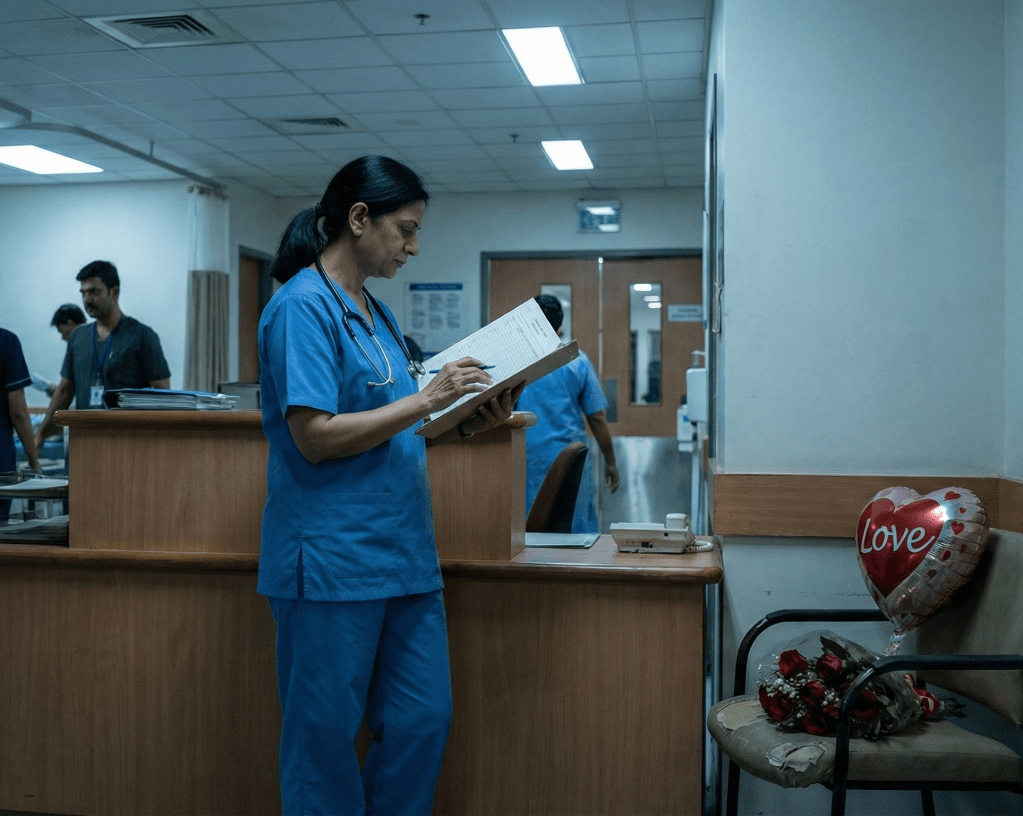
Behind the curated romance and heart emojis, emergency departments often prepare for patterns they have come to recognise around this time.
Casualty doctors often encounter more cases of chest pain, panic attacks, alcohol-related injuries, and stress-induced medical emergencies. Heightened expectations, relationship pressure, comparison culture, and late-night celebrations collide with biology, and the body reacts long before the mind catches up.
This less-glamorous side of Valentine’s Day rarely appears on Instagram, but healthcare workers see it first-hand, revealing how the holiday affects both physical and mental health in ways most people never consider.
Chest Pain: When the Heart Takes the Hit
When chest pain strikes on the most romantic night of the year, fear takes hold. That sudden pressure or tightening isn’t just alarming. It sends many people to the hospital, convinced they’re having a heart attack.
But what’s really happening inside your body when emotion and physiology collide?
What Patients Feel
A sudden heaviness, squeezing, or sharp pain in the chest that feels intense, frightening, and impossible to ignore.
What Doctors Assess
Emergency teams move quickly to rule out life-threatening causes first, especially cardiac emergencies. Chest pain is never brushed off, even when stress appears to be the trigger.
Valentine’s Day Chest Pain: Common Triggers
Takotsubo cardiomyopathy (Broken Heart Syndrome):
In some cases, intense emotional stress can temporarily weaken the heart’s left ventricle, closely mimicking a heart attack.
Severe acid reflux:
Rich meals, chocolate, alcohol, and late-night eating push stomach acid into the oesophagus, causing burning chest pain that feels cardiac.
Panic attack overload:
The brain’s fight-or-flight response produces chest tightness, palpitations, and breathlessness that closely resemble heart attack symptoms.
Musculoskeletal strain:
Sometimes from awkward sleeping positions, sometimes from… enthusiastic romantic activities.
How Valentine’s Day Affects the Heart and nervous system
Emotional stress from relationship pressure, loneliness, or unmet expectations floods the body with adrenaline and cortisol. Add alcohol, heavy meals, dehydration, and poor sleep, and the heart and nervous system are pushed into overload.
The body reacts before logic steps in.
The Dangerous Delay to the Emergency Department
Valentine’s Day chest pain often reaches the emergency department later than it should. Many patients wait because they:
- Don’t want to “ruin the evening”
- Feel embarrassed that symptoms might be “just stress”
- Assume the pain is indigestion from food or alcohol
This delay is commonly observed in these presentations.
Alcohol-Related Emergencies on Valentine’s Day
Valentine’s Day often comes with more alcohol than usual, and emergency departments feel the impact quickly.
Doctors commonly see:
- Alcohol poisoning from binge drinking
- Road accidents, falls, and physical fights
- Increased cases of assault and relationship-related violence
- Dangerous mixing of alcohol with psychiatric medications like sedatives or antidepressants
Intentional Overdose and Self-Harm Presentations
For some individuals, Valentine’s Day can magnify feelings of loneliness, grief, or emotional distress rather than celebration.
Hospitals are accustomed to seeing intentional overdoses, self-harm, and suicide attempts.
Those at highest risk include people with depression, recent breakups, or severe social isolation. The contrast between public romance and private pain can feel overwhelming.
Note: If this section resonates personally, support is available, and reaching out can make a meaningful difference.
Other Common Emergency Presentations
Not all emergencies are dramatic. Some common causes include:
- Allergic reactions to flowers, perfumes, or unfamiliar foods
- Kitchen injuries from ambitious romantic cooking
- Stuck rings caused by swelling, nerves, or cold weather
Yes, even love can land you in hospital.
What Casualty Doctors Want You to Know
- Chest pain is never “just stress.” Get checked.
- Emotional pain is real and physical. Seeking help is strength.
- You will not be judged. Emergency teams focus on your safety, not your story.
- Loneliness harms health in ways comparable to smoking. Connection is a biological need.
A Final Word from Healthcare Workers
Remember this:
Behind the curated smiles and candlelit dinners, you are a human being. Your nervous system does not distinguish between social pressure and a survival threat.
Your heart does not know it’s just a holiday.
If this day, or any day, brings pain, listen to what your body is telling you.
In medicine, every heartbeat matters, and everyone who seeks care is seen, heard, and taken seriously.
Source: This piece reflects observations from emergency department practice and widely recognised clinical patterns, not formal epidemiological data.
Image note: The image used in this article is AI-generated and is symbolic in nature. No real individuals are depicted.
Share this with someone who might appreciate a medical perspective on Valentine’s Day.
You may wish to read these next:
 Dr. Maria K. Jimmy