
4 min read
In observance of World Cancer Day (February 4), this article reflects on the mental health effects of living with illness, uncertainty, and long periods of not knowing.
By Dr. Maria K. Jimmy
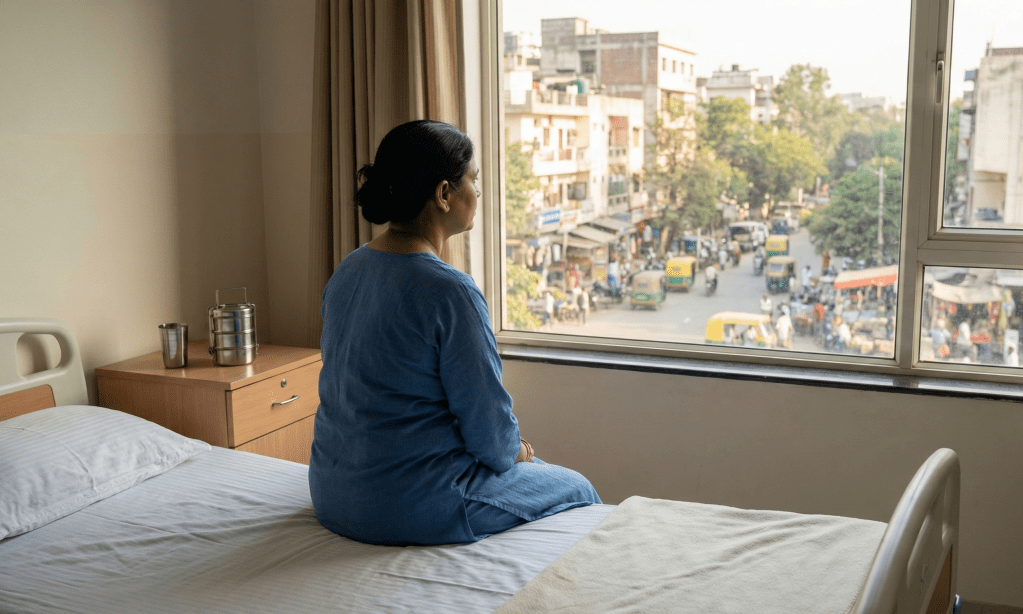
A cancer diagnosis is often described as a sudden event that changes everything.
For many people, though, the deeper struggle begins after the initial shock fades.
It is the long stretch of not knowing.
The waiting.
The unanswered questions.
The feeling that life is moving forward, but without firm ground beneath it.
This quiet, ongoing uncertainty can become one of the heaviest emotional burdens of the cancer experience. It shapes thoughts, routines, and emotional wellbeing in ways that are rarely spoken about.
This article reflects on that space, gently and honestly.
Living in the In-Between
After the first wave passes, in the quieter days following diagnosis, uncertainty settles into daily life.
The questions return, often in cycles:
- Will the treatment work?
- How will my body cope?
- Can I continue working or caring for my family?
- What does “normal” look like now?
The mind looks for stability. It builds a sense of safety through patterns, plans, and familiar expectations.
Cancer disrupts that structure entirely. Many people find themselves living in a heightened state of awareness, closely noticing every sensation, every change, every pause in the body.
This ongoing mental alertness asks for a different kind of strength, one that is rarely acknowledged.
When the Waiting Doesn’t End
Uncertainty does not always fade when treatment ends.
For many people:
- Routine scans bring days or weeks of quiet anxiety
- A common ache can raise deeper concern
- Follow-up appointments bring back memories of diagnosis and treatment
Even completing treatment, while meaningful, can feel unexpectedly unsettling. The regular contact with medical teams reduces, and some people find themselves emotionally exposed, left to manage worry on their own.
This long-term watchfulness carries a mental health cost. It may appear as background anxiety, difficulty making plans, or a constant sense of caution about the future.
This often requires steady effort to manage concern.
The Psychological Weight of Uncertainty
Living with ongoing uncertainty shapes daily life in specific, tangible ways:
Constant alertness
The mind stays on guard, interpreting ordinary sensations as possible warning signs. Over time, this becomes exhausting.
Decision fatigue
When the future feels unclear, even small choices require extra effort. Planning ahead can feel overwhelming.
Existential distress
Large questions about life’s meaning, fairness, identity, and mortality surface more often and linger longer.
Social withdrawal
Many people pull back socially, feeling that others may not fully understand this quiet, ongoing stress.
These responses arise naturally when a person lives with ongoing uncertainty.
Recognising them is the first step toward managing them.
This experience of waiting and living without clear answers is not unique. Many people face a similar mental burden when their bodies feel unwell despite normal test results, explored further in When Tests Are Normal But You Still Feel Sick.
Learning to Live With the Unknown
Mental health support during and after cancer focusses on building the ability to live alongside uncertainty.
Some approaches that many people find helpful include:
Grounding in the Present
Brief, simple exercises help calm the mind. Practices like focussing on the breath, feeling your feet on the floor, or noticing the room around you help bring attention back to what is real and immediate.
Understanding What You Can Control
Make two lists. One for things you can control, such as taking medication, getting rest, or preparing questions for your doctor. Another for things you cannot control, like test results or how your body responds.
Containing Worry
Setting aside a short, defined time, like 10 minutes, each day for worry can prevent it from filling every moment. When worries pop up at other times, remind yourself they have a designated time later.
Finding the Right Support
Therapists familiar with cancer-related anxiety or chronic illness can help build skills for emotional balance and resilience. Find the right therapist and open up about your worries.
Rethinking Hope
Hope does not always have to rest on a single outcome.
For many people, a steadier form of hope grows in daily intentions:
- Hoping to stay present today
- Hoping to feel connected to loved ones
- Hoping to meet difficult moments with compassion
This kind of hope makes space for reality, while still allowing life to feel meaningful.
Why This Matters for Mental Well-being
Living with cancer often means facing constant uncertainty. That alone is a significant mental health challenge that requires resilience.
Well-meaning phrases from loved ones, like “stay positive,” often fail to capture the reality of this experience.
The work lies in learning how uncertainty lives within you, without allowing it to take over your inner life.
There is a moment, often reached quietly, where control softens into acceptance. This change is not about cancer improving. It is about changing how you carry the experience.
As a line from the movie 50/50 puts it:
“You can’t change the situation. The only thing you can change is how you deal with it.”
Within the unknown, there can still be moments of steadiness.
You can still hold a loved one’s hand. You can still take a quiet breath.
Protecting your mental health through this is the foundation of the journey.
It is the ongoing practice of turning toward life, moment by moment, and finding that you are still here.
Capable.
Whole.
A Gentle Note
This reflection is meant to offer understanding and perspective. It does not replace professional mental health care.
If you find yourself feeling overwhelmed, distressed, or in need of support, reaching out to a qualified mental health professional can make a meaningful difference.
You deserve care, guidance, and support — and you do not have to navigate this alone.
Source: This article is informed by established work on mental health and chronic illness from the World Health Organization, National Cancer Institute, Cancer Research UK, and Macmillan Cancer Support.
Image Note: The image used in this essay is AI-generated and is symbolic in nature. It represents the emotional states associated with illness and uncertainty. No real individual is depicted.
You may wish to read these next:
 Dr. Maria K. Jimmy